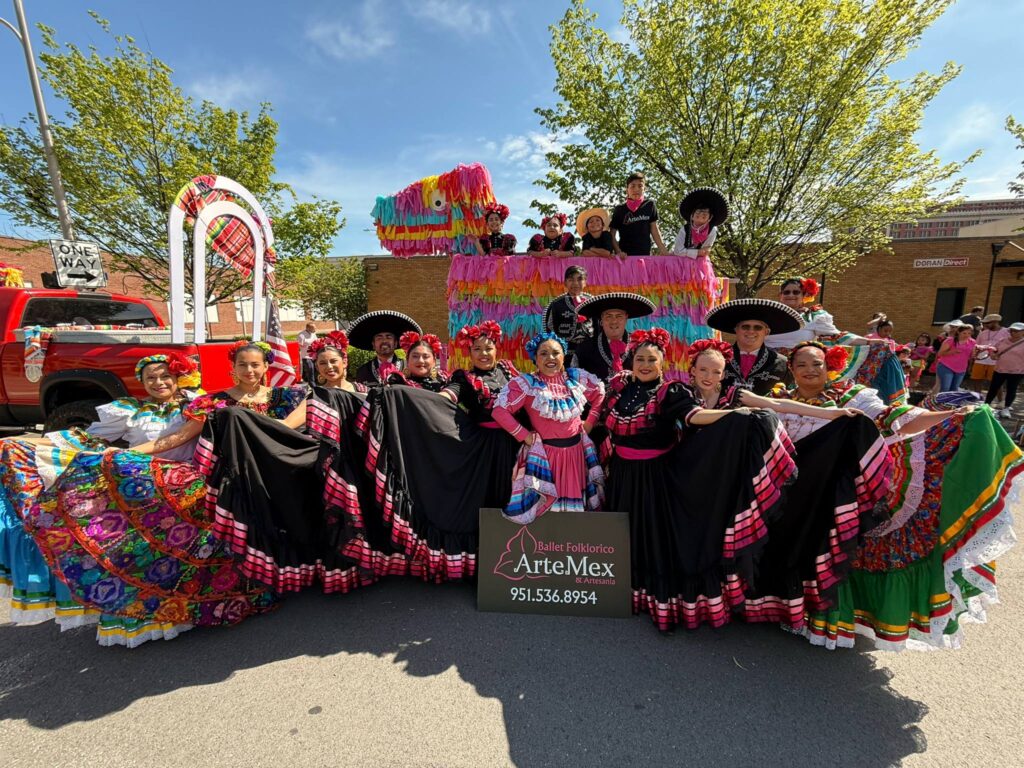
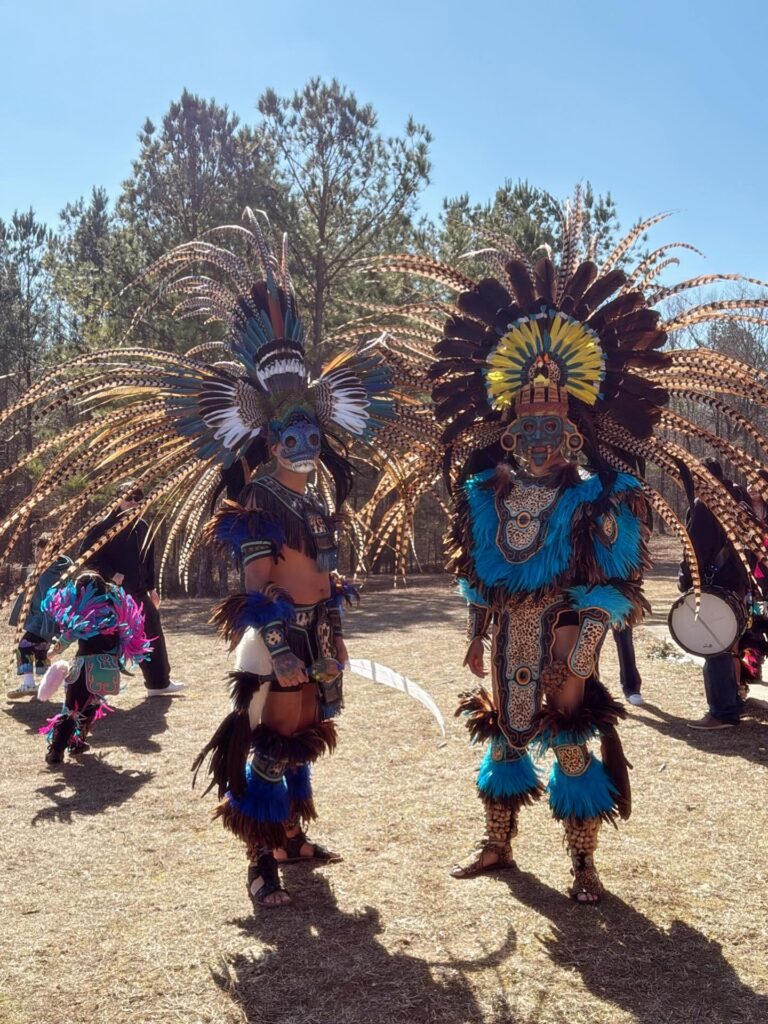
Danza Azteca Quetzalli “Beautiful Feather” is a group who has dedicated themselves to sharing and preserving our culture and traditions with the community through dance.
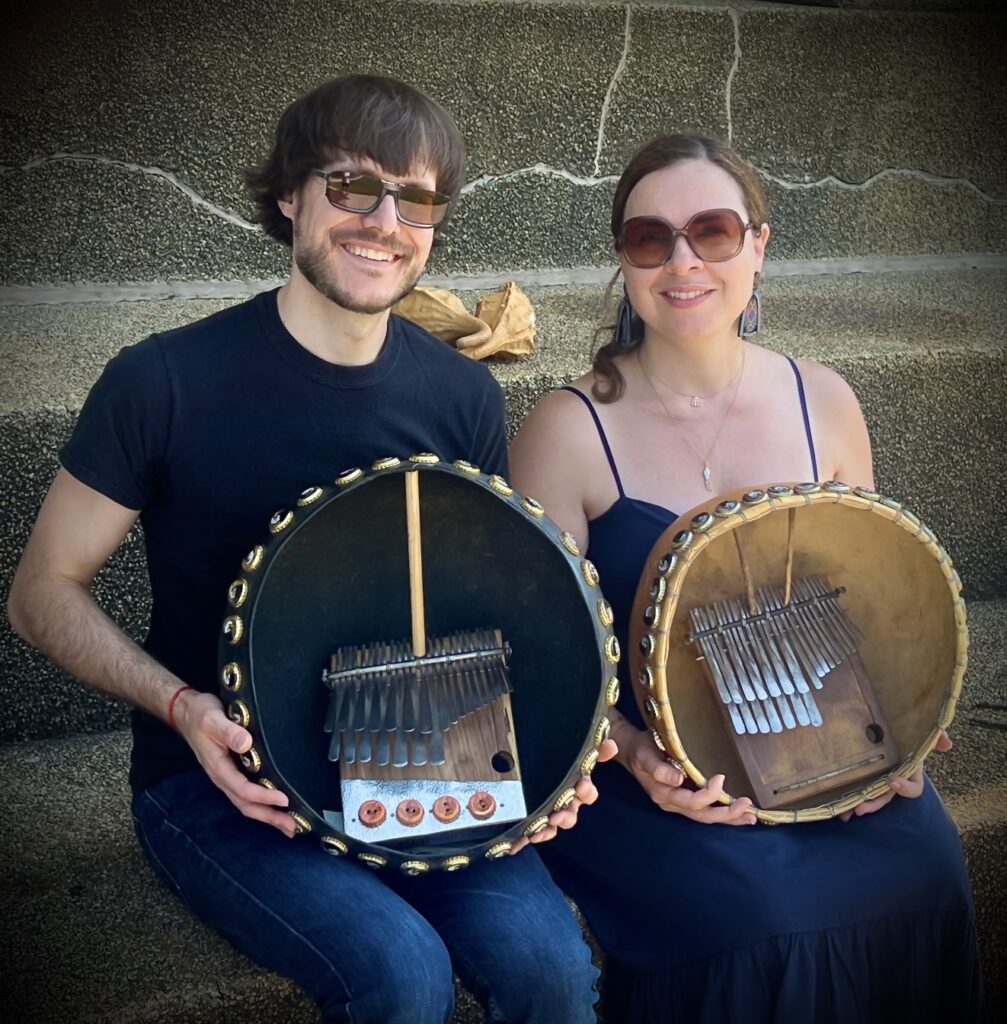
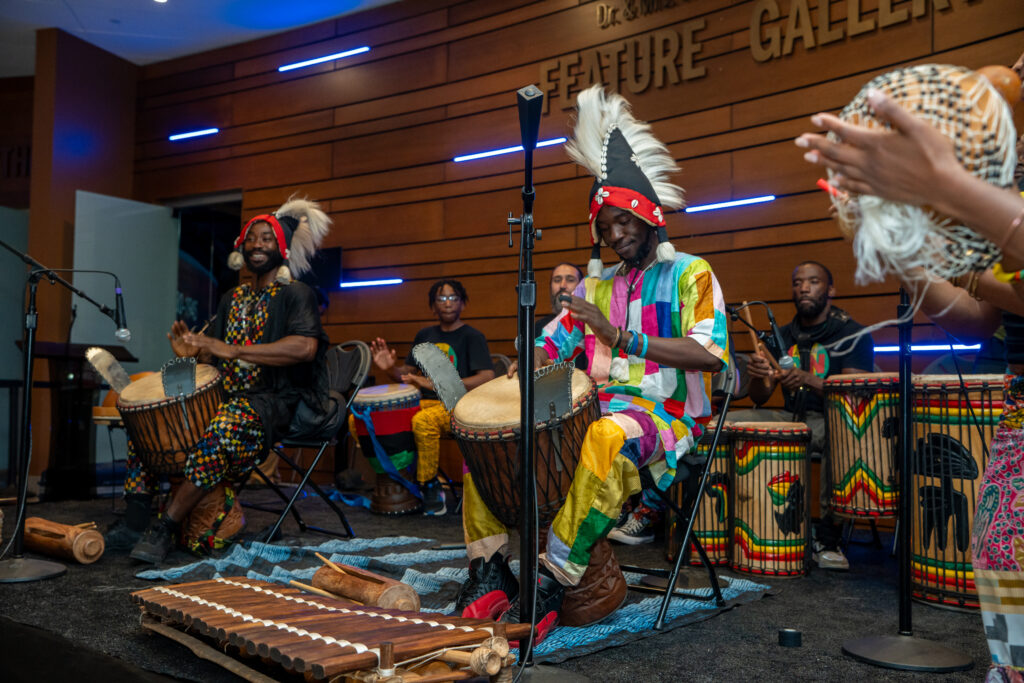
The Yeli Ensemble is a trio of musician dancers from Guinea, West Africa. Between them they play all traditional instruments, namely, the djembe, kora, balafon, krin, kinkini, bolon and samban. They also dance. The artists are all from the griot caste which means music and dance forms have been passed down from their ancestors since the height of the Mali Empire. For this performance, they will play all of the instruments that make up the wealth of their culture and dance to several, including a masked dance. At the end of the performance the audience will also be welcome to join.
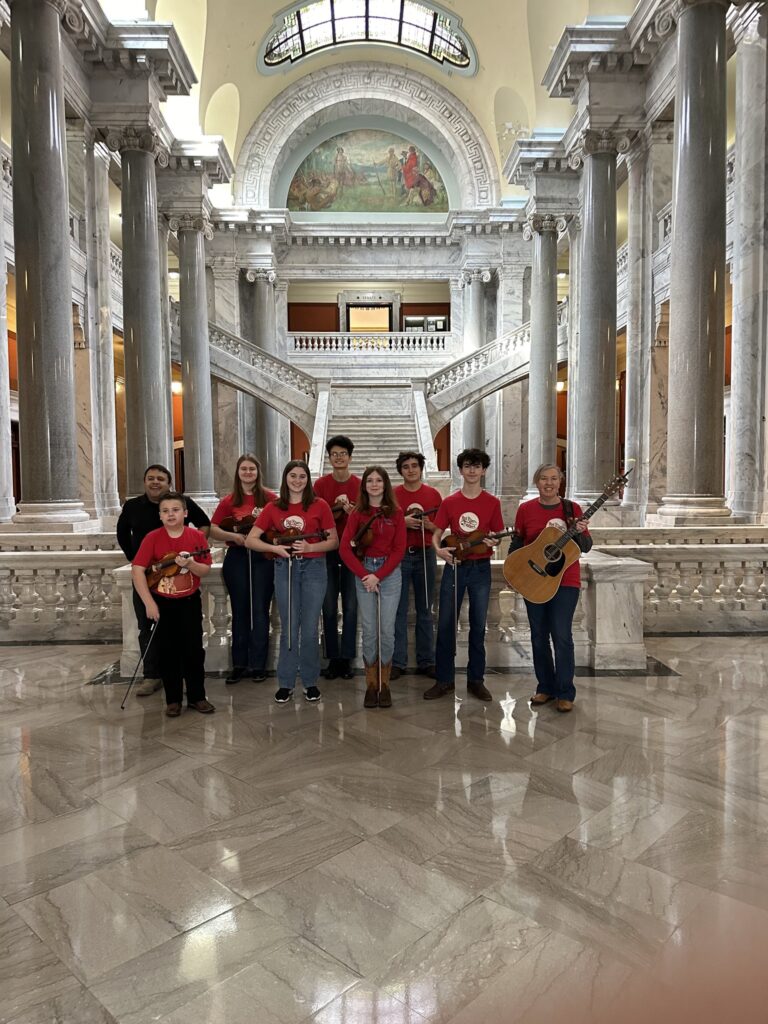
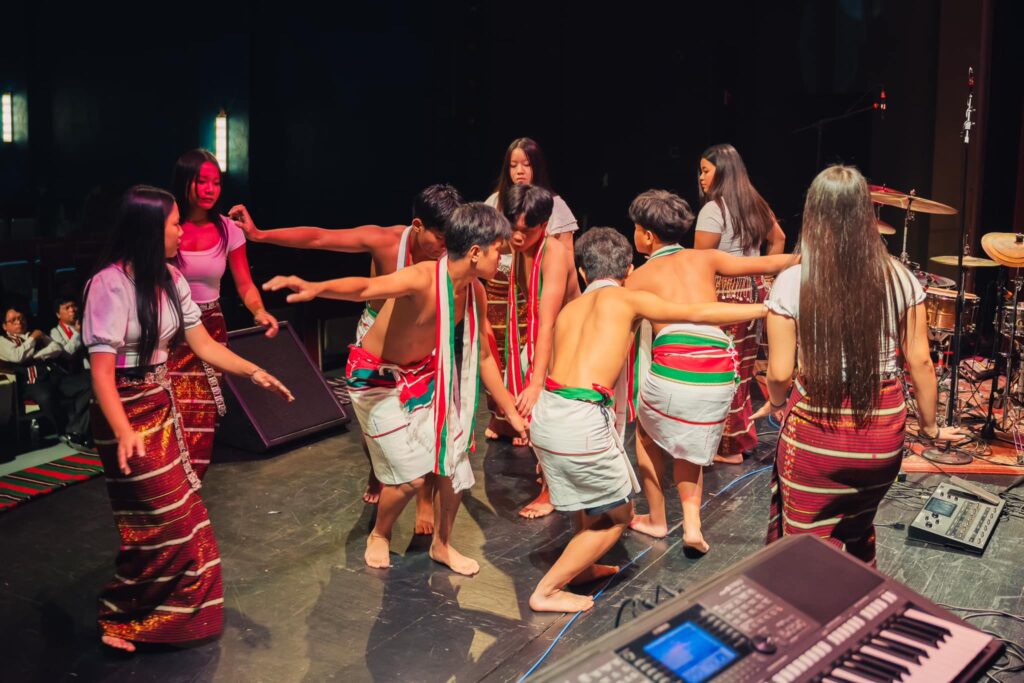
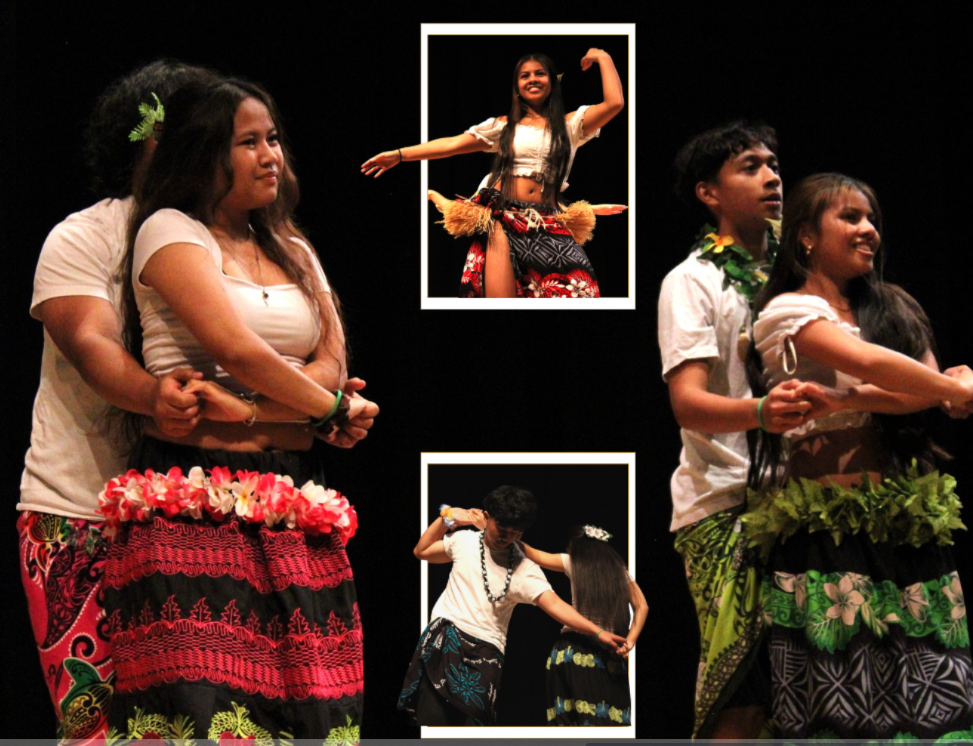
Our international club students put on a big performance at Greenwood each Spring We have a variety of cultures represented. Zo, Zomi, Hakha Chin, Micronesia, India, Paraguay, Mexico, Honduras, Guatemala and more.
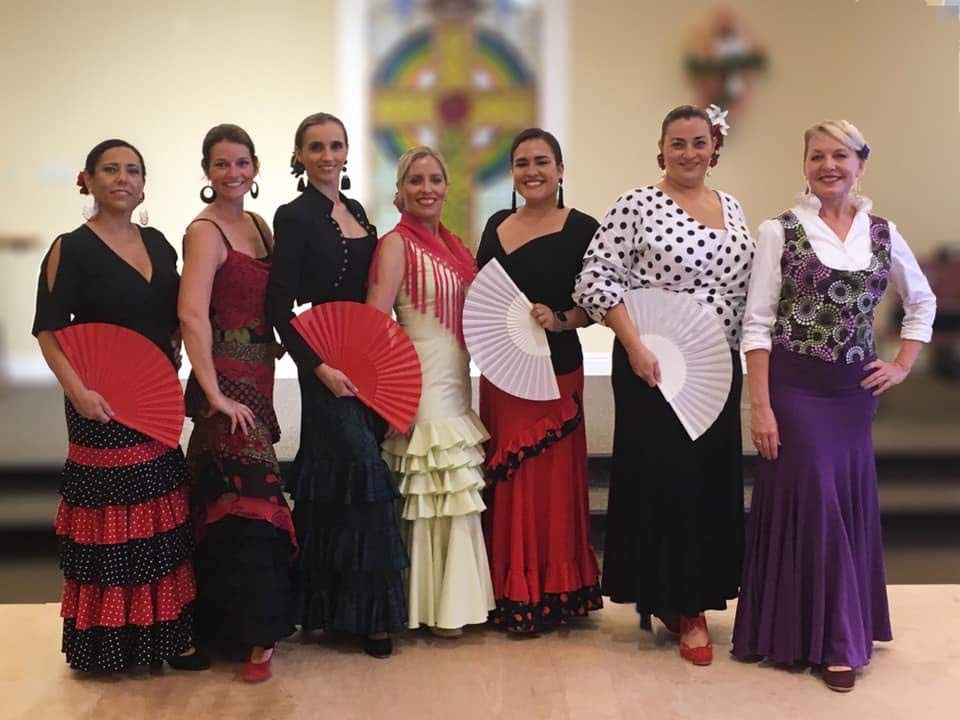
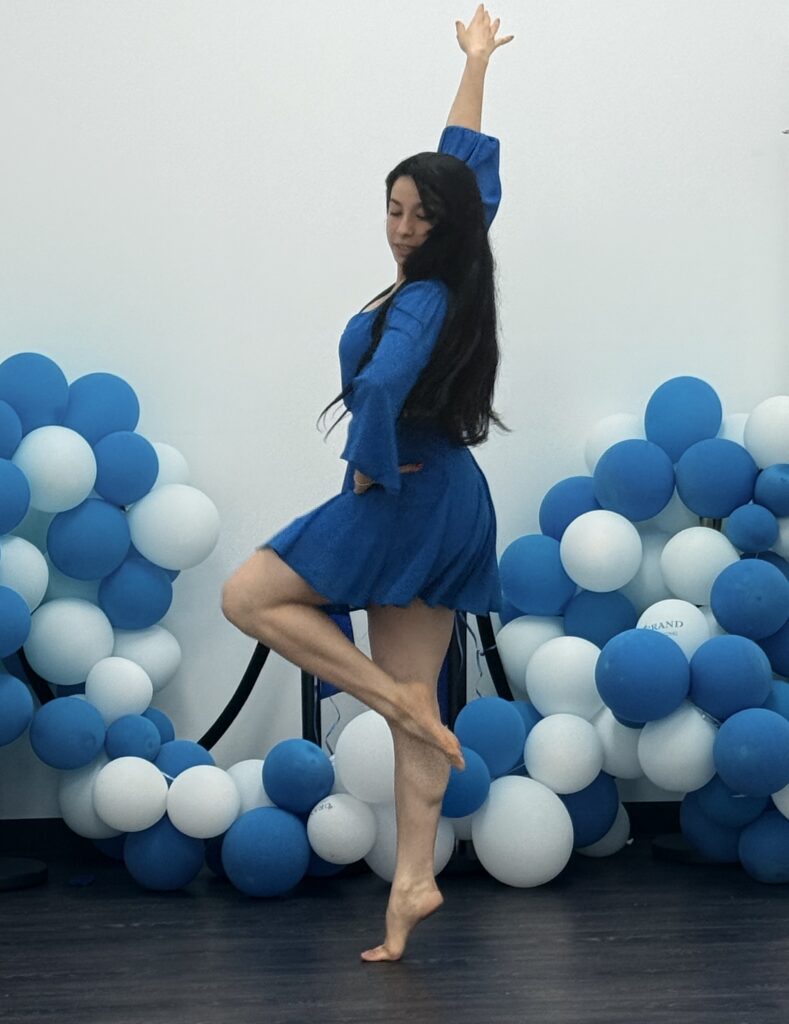
We are so excited to bring Flamenco dancing to the stages of the BG International Festival this year! Dancers will demonstrate intricate footwork and rhythmic clapping through a bold performance with full skirts.
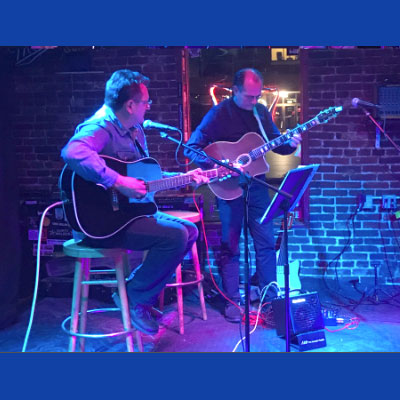
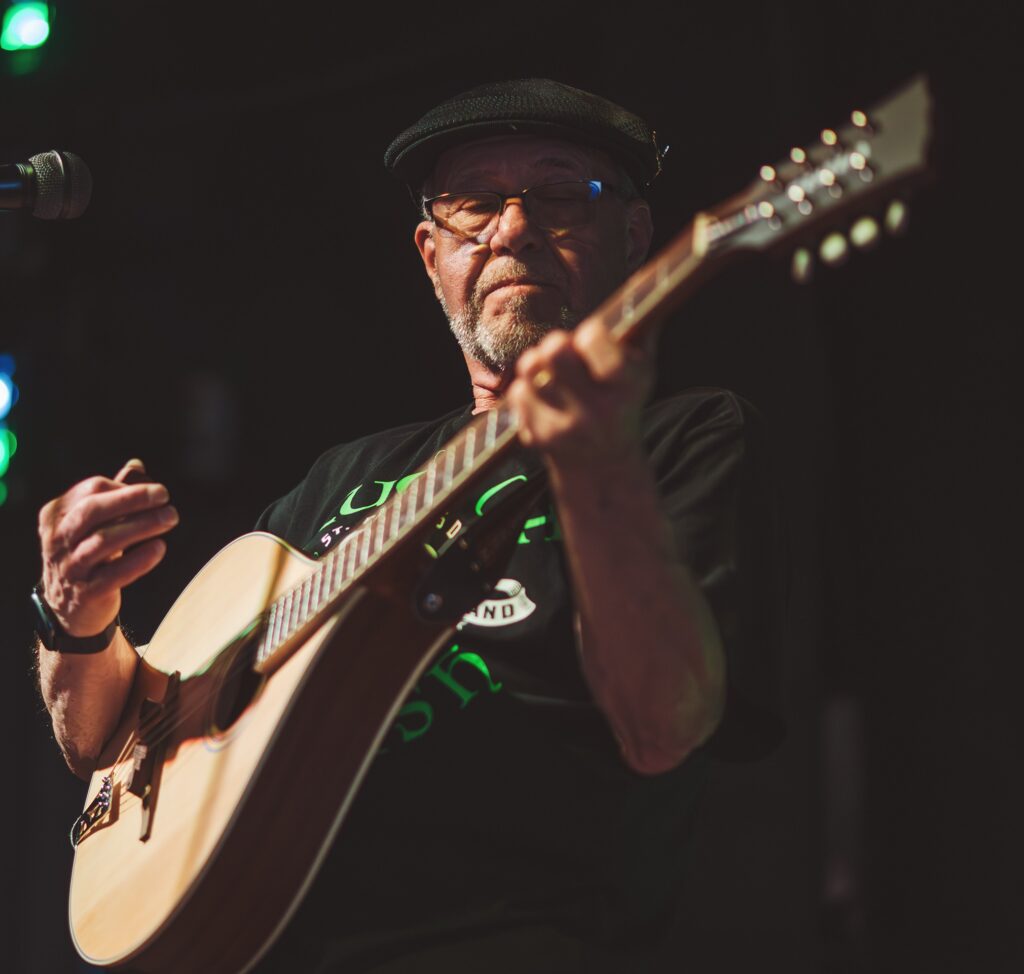
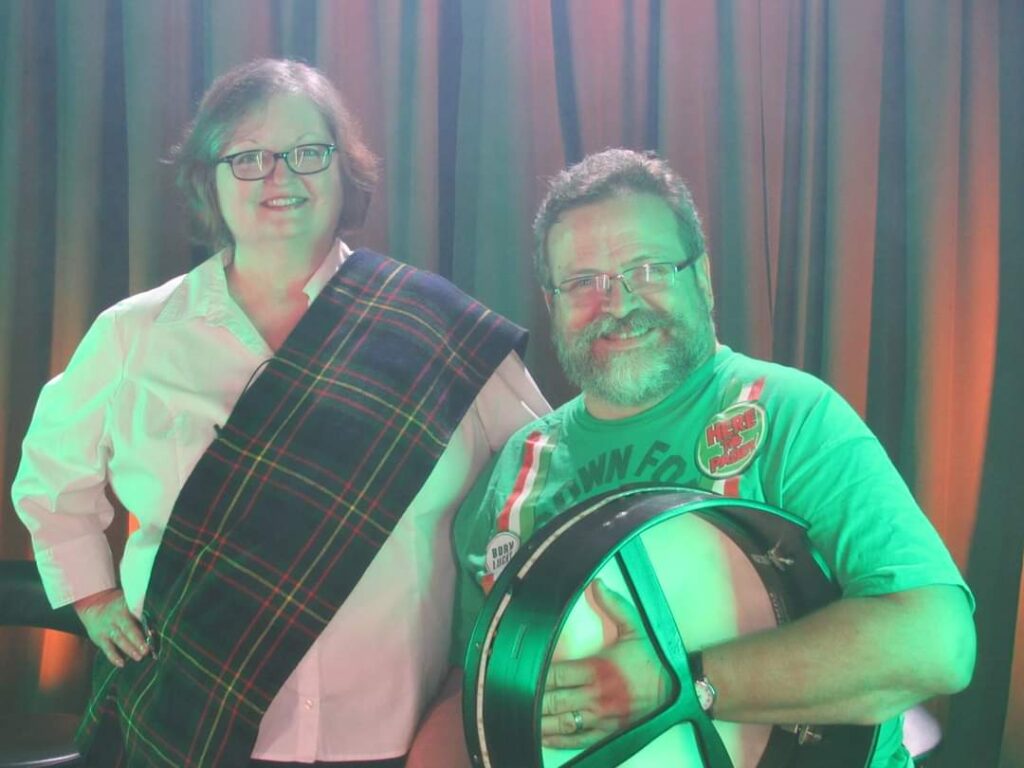
Robin Duckett and Dale McCubbins perform traditional Irish/Scottish music, including popular folks songs of the region, also tunes like jigs, reels, even sea shanties!
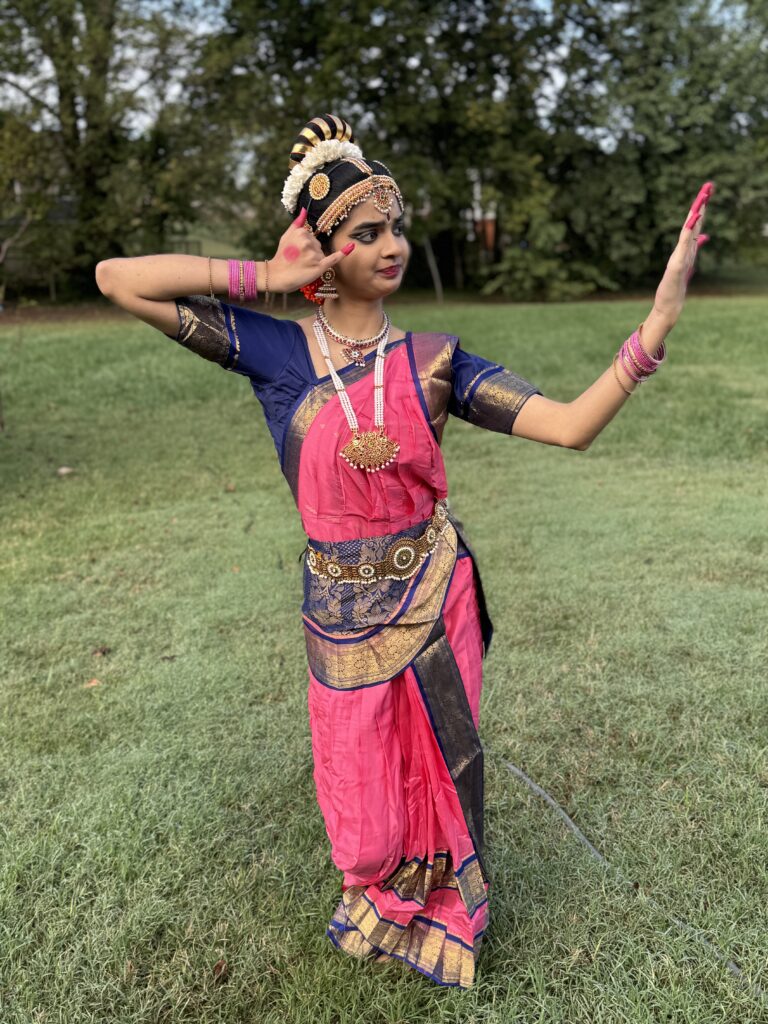
Kuchipudi is a dance-drama performance from India, with its roots in the ancient Hindu Sanskrit text of Natya Shastra. It developed as a religious art linked to traveling bards, temples and spiritual beliefs, like all major classical dances of India. Evidence of Kuchipudi’s existence in an older version are found in copper inscriptions of the 10th century, and by the 15th century in texts such as the Machupalli Kaifat.Kuchipudi tradition holds that Tirtha Narayana Yati – a sanyassin of Advaita Vedanta persuasion, and his disciple, an orphan named Siddhendra Yogi, founded and systematized the modern version of Kuchipudi in the 17th century. Kuchipudi largely developed as a Hindu god Krishna-oriented Vaishnavism tradition, and it is known by the name of Bhagavata Mela in Thanjavur. The traditional Kuchipudi was performed by all males troupe. A dancer in a male role would be in Agnivastra, also known as Bagalbandi, wear a dhoti (a single pleated piece of cloth hanging down from the waist). A dancer in a female role would wear a Sari with light makeup.
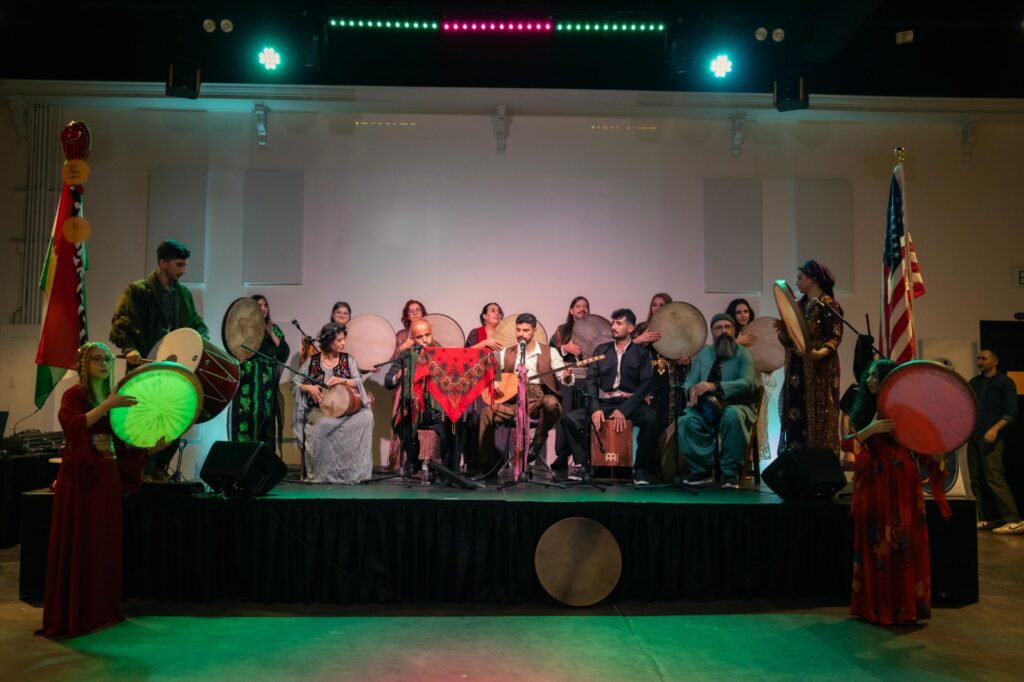
The Kurdish Culture & Music Association (KCMA) is a Nashville-based cultural organization dedicated to preserving and sharing Kurdish music, dance, and cultural heritage. At the Bowling Green International Festival, KCMA will present a vibrant performance featuring traditional Kurdish music, daf (frame drum), and govend (Kurdish folk dance), celebrating the rich cultural traditions of the Kurdish community.
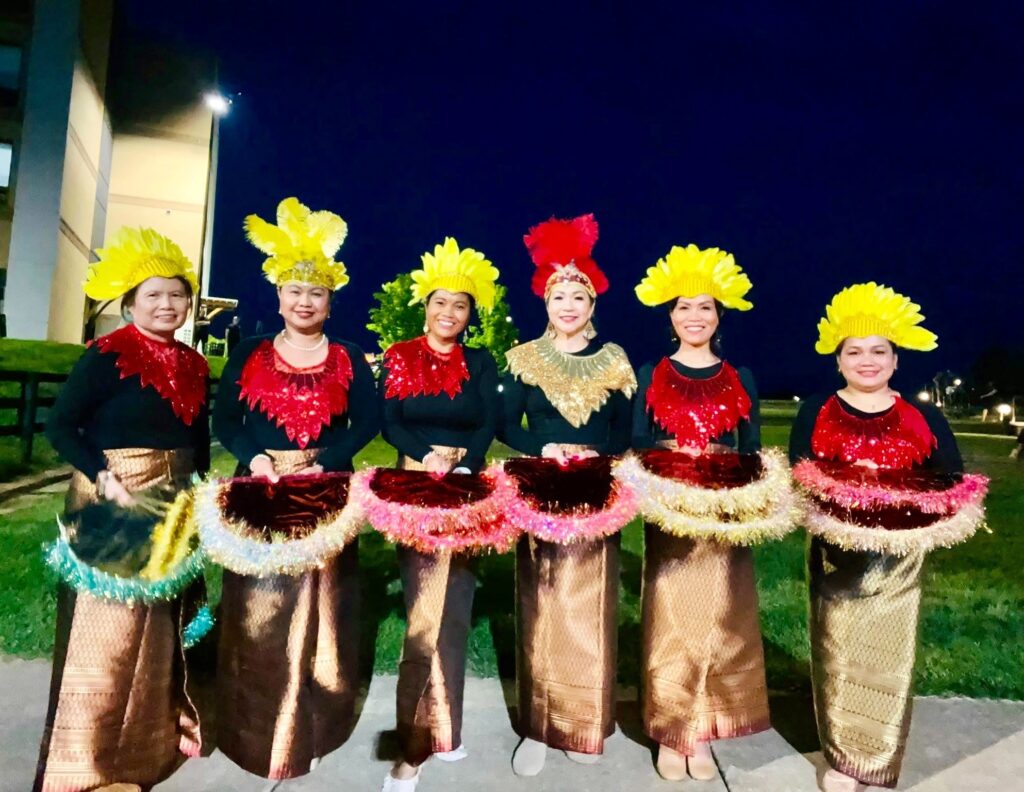
Pandanggo sa Ilaw, which translates as Dance of Lights, is a waltz-style, playful folk dance that showcases a unique fusion of local and western indigenous dance forms. PAYPAY DE MANILA (Manila Folding Fan) is a dance of Spanish influence. It displays the young ladies with scented fans or paypay and flirt with young men with canes and straw hats. The dance music is a mixture of a slow habanera alternated with a very fast polka accentuated with heavy stamping of the men’s heel-clicks. Igorot of dance can be seen in their original form in the remote mountainous regions of Luzon. SINGKILAN This particular dance was originated during the royal era in Lake Lanao which located on the southern island of Mindanao. The Maranao prince and princess originally performed Singkil as a ritual for festivals and ceremonial rites of passage to establish their courtship.
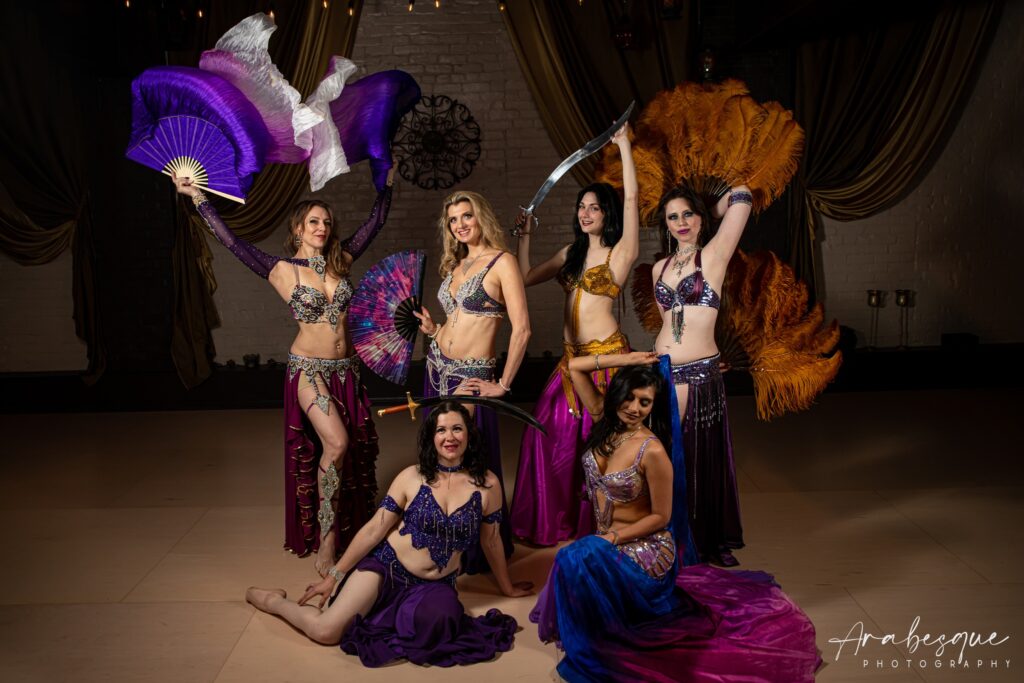
Troupe Banat Nawaar of Arabesque World Dance in Lexington, Kentucky performs Raqs Sharqi (Eastern Dance of Egypt and Lebanon) as well as Turkish Orientale and Roma, and Raqs Khaleeji of the Persian Gulf Coast. These are the traditional dance styles of the Middle East and Mediterranean used at celebrations and as professional entertainment at the poshest hotels and restaurants. Their performances blend old traditional dance and music with more modern styles of the century. Flowing Silk Veils, the bright ring of finger cymbals, and colorful traditional costuming create a feast for the senses. Banat Nawaar is an eclectic group of performers led by Safiya Nawaar, who uses over 24 years of training in Raqs Sharqi to create lavish choreographies and theatrical performances that delight audiences across the US.